


Top Reasons People Fail the California DMV Driving Test

A driving test can fall apart in one quiet moment. No cone gets hit. No horn blares. The car feels under control. Then the examiner marks a serious error because the driver changed lanes, turned, or pulled away from the curb without checking mirrors and blind spots.
That is the most common reason many people fail the California DMV driving test: they do not prove they are aware of what is around them.
Driving is not only about steering smoothly or knowing the rules. It is about showing the examiner that every move is intentional, legal, and safe. The examiner cannot read a driver’s mind. If the driver does not clearly check mirrors, turn their head, scan intersections, and signal early, the examiner has to judge what they can see.
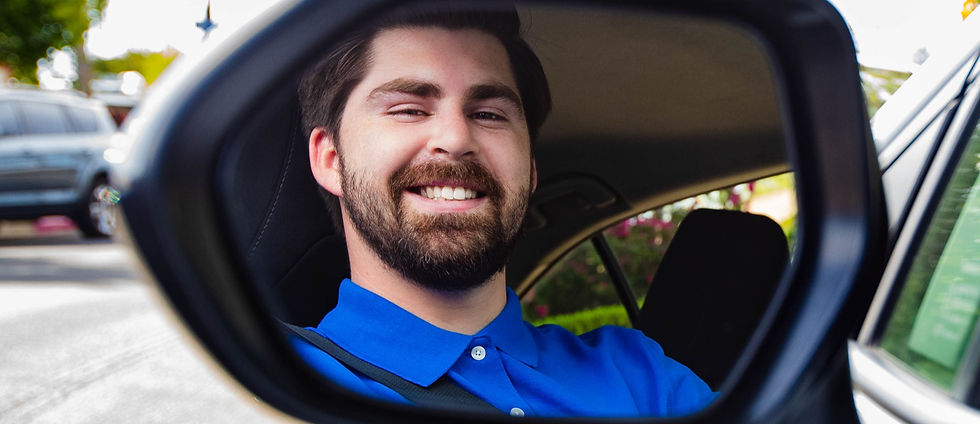
The biggest reason is failing to check mirrors and blind spots
The number one mistake is simple, but it is serious: drivers fail to check mirrors and blind spots during lane changes, turns, merges, backing, or pulling away from the curb.
In daily driving, some people rely too much on mirrors, backup cameras, or quick glances. During the California DMV driving test, that is not enough. The examiner wants to see a full safety check before the car changes position.
A proper check usually includes:
Looking ahead to make sure the path is clear
Checking the rearview mirror
Checking the side mirror
Looking over the shoulder into the blind spot
Signaling before the move
Moving only when it is safe
The shoulder check matters because mirrors do not show everything. A bicyclist, motorcycle, scooter rider, or car can sit in the hidden space beside the vehicle. If the driver moves without looking, that small missed glance can become a dangerous mistake.
This error often happens in ordinary moments:
Pulling away from the curb at the start of the test
Moving back into traffic after parking
Changing lanes on a multi-lane road
Turning right where a bicyclist could be coming up from behind
Backing along the curb
Entering or leaving a DMV parking lot

Drivers sometimes think they checked, but the examiner did not see it. That can happen when the movement is too subtle. A tiny eye movement toward the mirror may not count as a clear check. The safest habit is to make checks visible without exaggerating. Move the head enough for the examiner to know the check happened.
A good pattern is: mirror, signal, blind spot, move when safe. For turns, add a scan of crosswalks, bike lanes, and traffic before turning the wheel.
The goal is not to perform for the examiner. The goal is to build a habit that prevents crashes. But on test day, the habit also has to be easy to observe.
Rolling stops and right-of-way errors are close behind
Many test failures come from drivers who almost stop, but not quite. A rolling stop happens when the wheels never fully stop moving at a stop sign or limit line. The car slows down, the driver feels like they stopped, and then they continue. To the examiner, that is not a complete stop.
A real stop means the vehicle stops fully. The wheels are still. The driver has time to look left, right, ahead, and left again before entering the intersection.
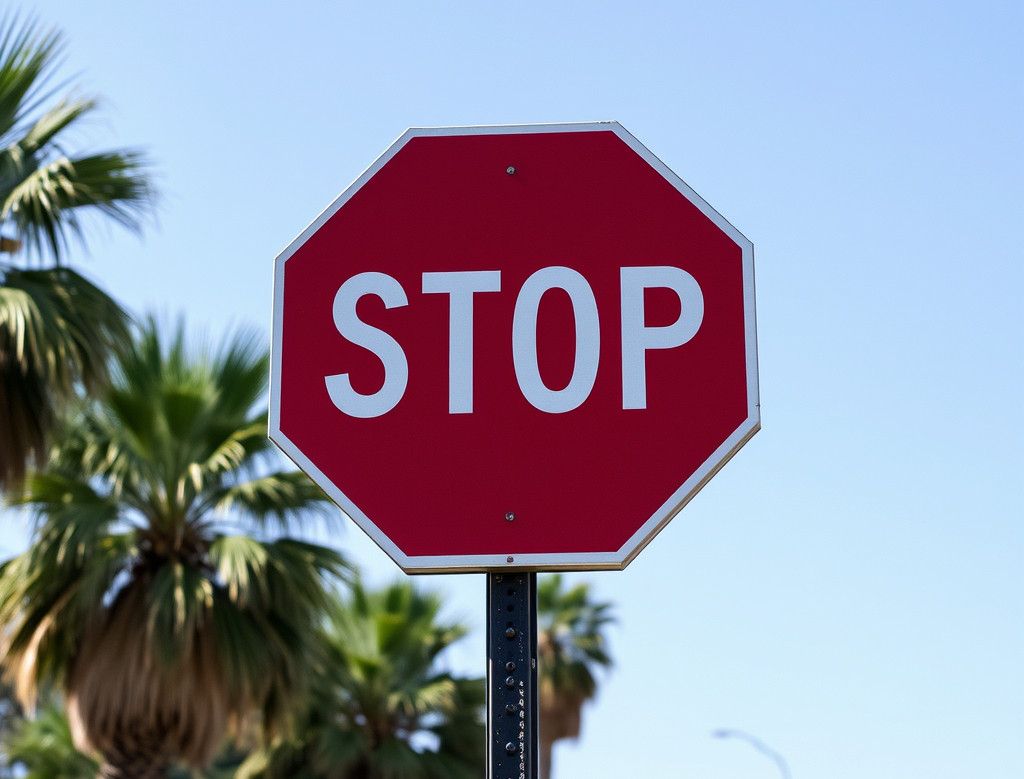
This matters most at:
Stop signs
Limit lines
Crosswalks
Sidewalks when leaving a driveway or parking lot
Red lights before making a right turn where allowed
If there is a limit line, stop before the line. If there is a crosswalk but no limit line, stop before the crosswalk. If there is no line or crosswalk, stop before entering the intersection where cross traffic can be seen.
Rolling stops often connect to right-of-way mistakes. A driver may be so focused on keeping the test moving that they enter an intersection too soon. The examiner wants patience and judgment, not speed.
Right-of-way errors include failing to yield to:
Pedestrians in marked or unmarked crosswalks
Bicyclists in bike lanes
Vehicles already in an intersection
Oncoming traffic when turning left
Traffic with the right-of-way at uncontrolled intersections
Emergency vehicles with lights and sirens

Pedestrians deserve special attention. A person crossing the street may move slowly, pause, or appear from behind parked cars. The driver must wait until it is safe and legal to proceed. A good test driver scans sidewalks and crosswalks early, not at the last second.
Bicyclists also require careful checks, especially before right turns. In California traffic, bike lanes are common. Before turning right, a driver should signal, check mirrors, look over the right shoulder, merge into the bike lane only where allowed and safe, then turn from the correct position. Cutting across a bike lane without checking is a major safety problem.
Speed control can make a safe driver look unsafe
Speed mistakes are not only about driving too fast. Driving too slowly can also create problems if it interrupts traffic without reason.
The examiner is watching whether the driver can match the posted speed limit, road conditions, traffic flow, visibility, and hazards. The best test drive feels controlled, steady, and aware.
Driving too fast may show up as:
Entering turns too quickly
Approaching intersections without enough braking time
Speeding through parking lots
Driving too fast near pedestrians or parked cars
Going above the posted limit
Driving too slowly may show up as:
Holding up traffic on a clear road
Hesitating after it is safe to go
Crawling far below the speed limit without a reason
Taking too long to complete turns or lane changes
The posted speed limit is not always the right speed for the moment. If children are near the street, traffic is heavy, road work is present, or visibility is poor, the safe speed may be lower. If the road is clear and the limit is posted, the driver should not crawl along nervously.
Smooth speed control also helps with confidence. Hard braking, late braking, sudden acceleration, and jerky turns can make the examiner question whether the driver is fully in control.
A simple rule helps: look farther ahead than the car directly in front of you. When drivers look far enough ahead, they see red lights, pedestrians, lane changes, and brake lights earlier. That gives them more time to adjust speed gently.
Speed control also affects turns. A driver should slow before the turn, check the path, then accelerate gently after completing it. Braking hard in the middle of a turn can feel unstable. Accelerating too soon can push the car wide or create risk for pedestrians and bicyclists.

Lane mistakes and signal problems are easy points to lose
Many drivers fail because they do not place the car where it belongs. Lane position seems basic, but it tells the examiner a lot about judgment.
Common lane mistakes include:
Turning from the wrong lane
Turning into the wrong lane
Drifting within the lane
Crossing lane lines without checking
Failing to signal early enough
Signaling but not checking before moving
Forgetting to cancel the signal after a turn
California drivers are expected to signal at least 100 feet before turning or changing lanes when practical. On the test, early signaling gives other road users time to understand what the car will do. It also shows the examiner that the driver is planning ahead.
But signaling alone does not make a move safe. A signal is a warning, not permission. The driver still has to check mirrors, check the blind spot, judge speed and distance, and wait for a safe gap.
Lane discipline also matters during turns. When turning right, the driver should start and finish in the proper lane unless road markings allow something different. When turning left, the driver should turn from the correct lane and avoid cutting the corner. Wide turns, late turns, and drifting after the turn can all create test problems.
Parking lots are another place where lane control matters. DMV lots can be tight, with pedestrians, parked cars, curbs, signs, and other test vehicles nearby. A driver who rushes, swings wide, or drives too close to parked vehicles may lose points before reaching the street.
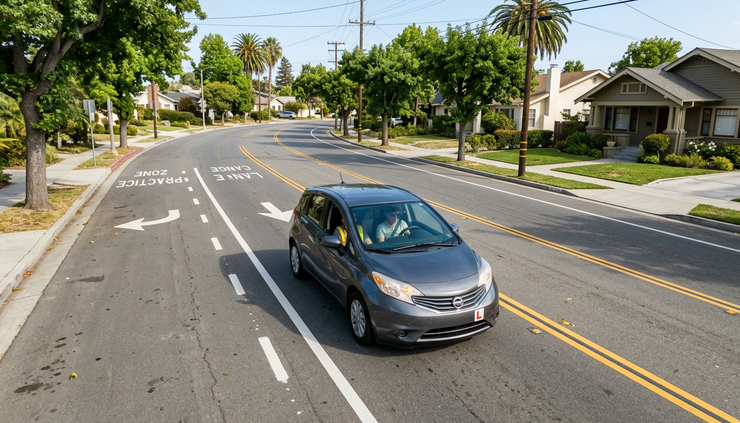
Curb strikes and parking mistakes can turn small errors into big ones
Hitting the curb is one of the most frustrating ways to lose confidence during the test. It usually happens during backing, parking, pulling to the curb, or maneuvering in the DMV parking lot.
A light touch may not always end a test, but striking the curb hard, driving over it, or losing control can be serious. The bigger issue is what the curb strike shows: poor space judgment, weak steering control, or lack of awareness.
Curb problems often happen because the driver looks in only one place. While backing, some drivers stare at the mirror or backup camera and forget to look around. Others turn their head but lose track of the front of the car. The examiner wants to see full awareness around the vehicle.
When backing along a curb, drivers should move slowly and keep checking:
Rear window
Side mirrors
Blind spots
Front corners of the car
Distance from the curb
Pedestrians or vehicles nearby
Slow speed is the driver’s friend. The slower the car moves, the easier it is to correct. Small steering adjustments work better than big, sudden turns of the wheel.
Parallel parking is not always part of every California DMV driving test route, but curb control still matters. Drivers may be asked to pull to the curb, back up in a straight line, or leave a curb safely. In each case, the examiner is looking for control, observation, and safe spacing.
When pulling away from the curb, remember the most common failure reason again. This is a key moment for mirror and blind spot checks. Signal, check traffic, look over the shoulder, and move only when the lane is clear.
How to avoid the mistakes that cause most test failures
Passing the test is not about driving perfectly. It is about driving safely, legally, and consistently. A small mistake may not ruin the test, but repeated unsafe habits can.
The best preparation is focused practice. Do not only drive the same easy route near home. Practice in places that include:
Stop signs with limit lines
Bike lanes
Multi-lane streets
Unprotected left turns
School zones
Residential streets with parked cars
Parking lots and curbside maneuvers
Intersections with pedestrians
During practice, say the checks out loud if it helps build the habit. For example: “mirror, signal, blind spot, clear.” The words do not need to be said during the actual test, but the routine should feel automatic by then.
It also helps to practice with someone who will be honest. A friend or family member may say, “That was fine,” even when a DMV examiner would mark it. Ask the person riding along to watch for specific issues:
Did the car fully stop?
Was the signal early enough?
Did the driver check the blind spot?
Was the turn made from the correct lane?
Did the speed fit the conditions?
Did the driver yield when needed?
A mock test can be useful. Drive for 15 to 20 minutes without casual coaching. Treat it like the real exam. If a mistake happens, keep driving. Many people make one error and then panic, which leads to more errors. Staying calm is part of safe driving.
Before test day, make sure the vehicle is ready too. The examiner may check basic equipment before the drive begins. Brake lights, turn signals, tires, mirrors, seat belts, horn, and windshield condition can all matter. A driver can be prepared and still run into trouble if the vehicle is not test-ready.
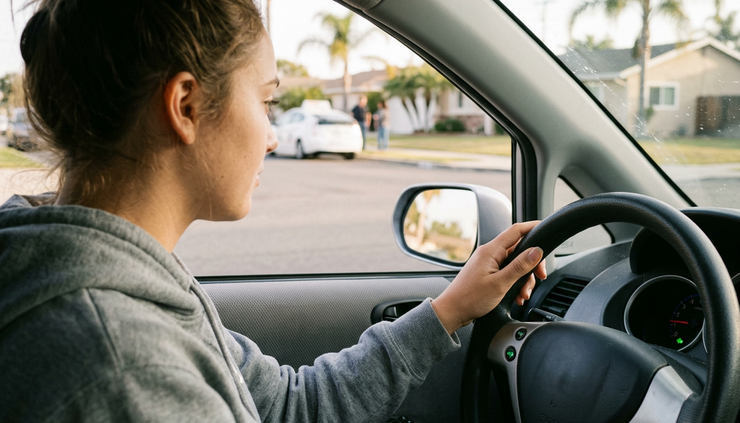
The pattern behind most failures is not mystery. Drivers fail when they do not show awareness, do not fully stop, misjudge right-of-way, choose the wrong speed, drift through lanes, or lose control near curbs.
The strongest fix is also simple: slow down mentally. Plan each move early. Check mirrors and blind spots clearly. Stop completely. Yield when required. Signal with enough time. Keep the car centered and controlled.
A driving test is short, but it reveals habits. Build the right habits before test day, and the drive becomes less about fear and more about showing what safe driving already looks like.
To schedule a practice test or your DMV behind the wheel exam, call us at 818-787-0777 or email us at okdrivingschool@gmail.com. You can also purchase directly on our website.


Comments